Hidden risks in AI generated property listings
Highlighting the hidden risks involved with the use of AI generated property listings and I show how agencies can protect themselves from potential large fines
Safe Listing AU
5/8/20242 min read
The Hidden Risk in AI-Generated Property Listings (And How Agencies Can Protect Themselves)
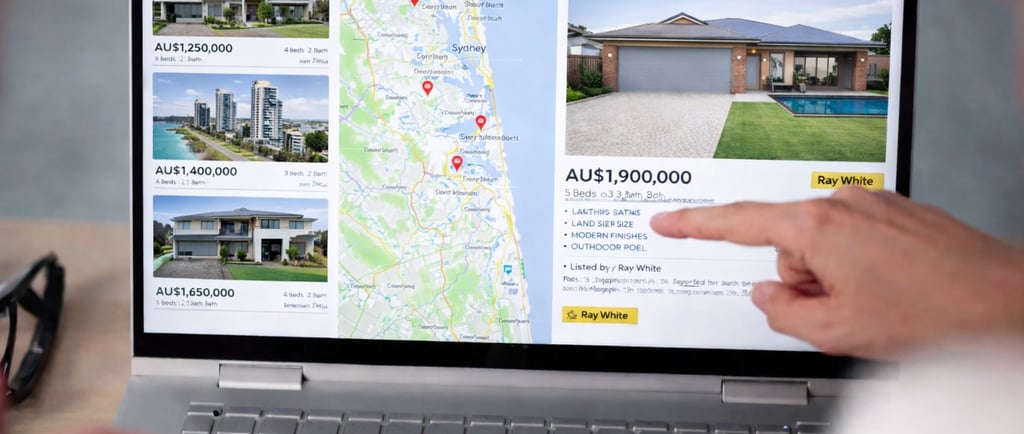
The rise of AI tools in real estate marketing has transformed how property listings are written. What once took 30–60 minutes can now be generated in seconds.
But speed comes with risk.
If an AI-generated listing contains misleading, inaccurate or unverified information, the liability does not sit with the software — it sits with the agent and the agency.
AI Is a Tool — Not a Legal Shield
Under the Australian Consumer Law (ACL), particularly Section 18, businesses must not engage in misleading or deceptive conduct.
If an AI system generates a statement about a property that is:
Factually incorrect
Exaggerated
Missing key disclaimers
Based on incomplete data
…the agency can still be held responsible.
AI does not replace professional judgment. It amplifies risk if not governed properly.
Where AI Listings Commonly Go Wrong
Across the industry, the most common risk areas include:
1. Overstated Features
AI may describe a “spacious outdoor entertaining area” when the yard is minimal, or imply lifestyle benefits not directly supported by facts.
2. Inferred Claims
Statements such as “strong rental yield potential” or “ideal investment opportunity” can imply financial outcomes without substantiation.
3. Missing Disclosures
Important property details — easements, zoning restrictions, known defects — may not be included unless manually checked.
4. Price Positioning Language
Phrases like “best value in the suburb” can create risk if not objectively defensible.
The Compliance Gap Most Agencies Overlook
Many agencies are using AI tools without a formal review framework.
Common gaps include:
No documented review process
No compliance log
No version history
No formal agent sign-off
No record of what AI suggested vs what was edited
If a complaint arises, agencies may struggle to demonstrate they took “reasonable steps” to prevent misleading conduct.
And that phrase — reasonable steps — matters.
What Reasonable AI Governance Looks Like in Real Estate
To reduce risk, agencies should implement:
✔ Structured AI Output Review
Every listing generated by AI should be reviewed line by line by a licensed agent.
✔ Fact Verification Checklist
Property size, zoning, inclusions, condition statements and location claims must be verified.
✔ Clear Editing Authority
Agents should adjust or remove language that could create implied promises.
✔ Compliance Record
A simple downloadable compliance log can demonstrate due diligence if questioned by regulators.
Why This Matters Now
Regulators are increasingly focused on:
Digital advertising
Online property claims
Automated content generation
AI transparency
As AI adoption increases across the real estate sector, enforcement will likely follow.
Agencies that implement governance early will:
Reduce legal exposure
Strengthen brand credibility
Protect their directors and principals
Demonstrate professional standards to clients
The Future of Property Marketing Is AI + Accountability
AI is not the problem.
Uncontrolled AI is.
Used properly, AI can enhance efficiency, consistency and marketing quality.
But agencies must pair automation with accountability.
That means:
Technology + Review
Automation + Verification
Speed + Compliance
The agencies that win in the next decade will not be the ones using AI the fastest — but the ones using it the most responsibly.
Barry Reynolds
Founder – Safe Listing AU
AI Compliance & Risk Mitigation for Australian Real Estate Agencies
Contact
Safe Listing AU
Helping real estate agencies publish compliant property listings with confidence.
Built for Australian advertising standards. No lock-ins. Cancel anytime.
Phone
info@safelisting.au
Disclaimer
© 2025. Safe Listing AU All rights reserved.
Safe Listing AU provides automated assistance to help identify potential errors or compliance risks in property listings. It does not provide legal advice. Users remain responsible for ensuring compliance with applicable laws and regulations.
0418667741
Terms of service
Privacy Policy